Want to look well rested and refreshed, without the tell-tale frozen look? Here is your guide to natural looking anti-wrinkle injection results
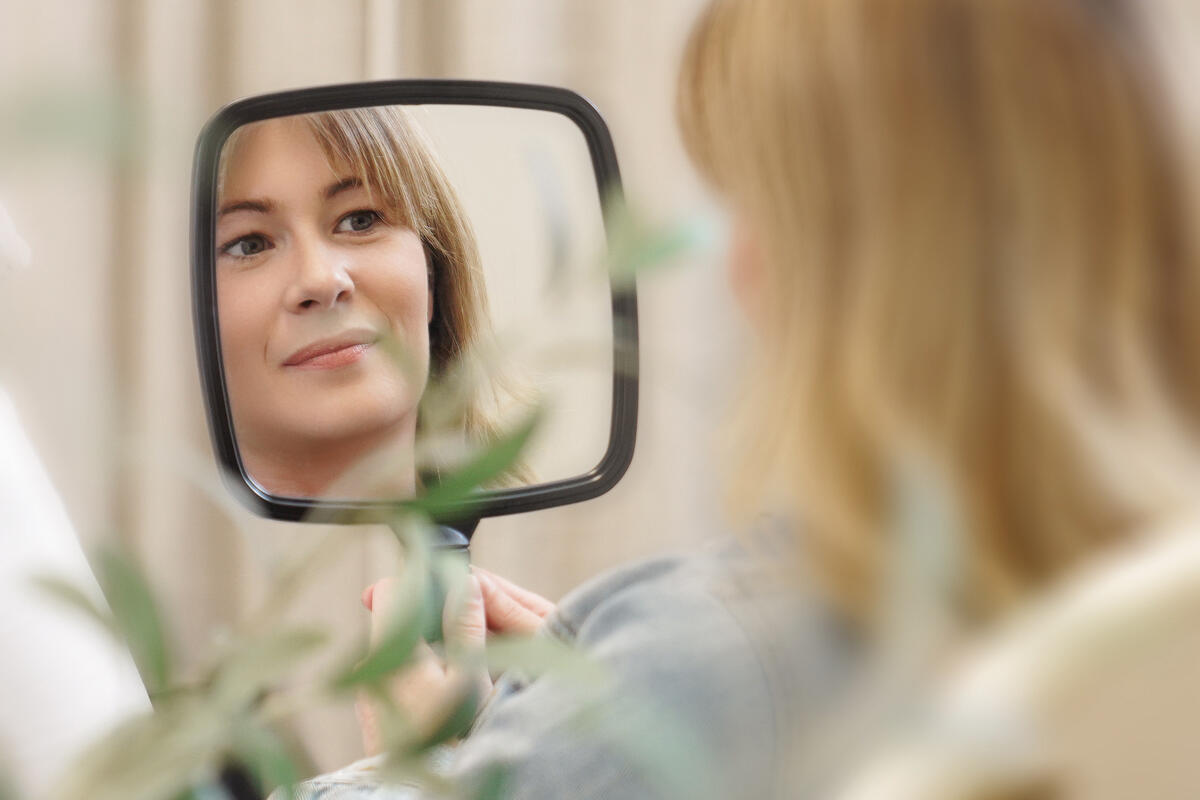
Are you keen to soften lines and wrinkles? Perhaps you've tried various non-injectable options such as skincare products and regular facials, but are now considering taking the plunge into the world of anti-wrinkle treatments, yet fear of looking expressionless or frozen is holding you back. Fear not…
Are you keen to soften lines and wrinkles? Perhaps you've tried various non-injectable options such as skincare products and regular facials, but are now considering taking the plunge into the world of anti-wrinkle treatments, yet fear of looking expressionless or frozen is holding you back. Fear not…
The good news is that when it comes to anti-wrinkle injections for lines and wrinkles, modern injection techniques have thankfully moved far away from the heavy-handed doses of years gone by. Modern techniques focus much more on natural, subtle results which will leave you looking like a well-rested and refreshed version of yourself. Here I will explain how anti-wrinkle treatments work and what to expect from a professional consultation.
Understanding Anti-Wrinkle Treatments: Educational Information
Anti-wrinkle treatments commonly use botulinum toxin type A as their active ingredient. Botulinum toxin type A is a prescription-only medicine (POM) that was originally developed for medical conditions and is now also licensed for cosmetic use in specific facial areas. One of the most well-known brands of botulinum toxin type A is Botox, which has been extensively studied in clinical trials.
How does botulinum toxin type A work? The medical mechanism
When injected by a qualified medical professional, botulinum toxin type A temporarily blocks nerve signals to targeted muscles. This causes the treated muscles to relax, which in turn affects the overlying skin. The effects are temporary, typically lasting 3-4 months, after which muscle function gradually returns to normal.
Licensed uses for cosmetic treatments
Botulinum toxin type A is licensed for cosmetic use in treating specific areas of the upper face, including:
Treatment approaches and techniques
Different injection techniques and dosages exist within clinical practice. Some practitioners use lower doses in a technique sometimes referred to as "micro-dosing" or colloquially called "Baby Botox." These are clinical decisions that qualified practitioners make based on individual patient assessment.
Other licensed uses of botulinum toxin
Botulinum toxin type A has various medical licenses beyond cosmetic use. It is also licensed for treating conditions such as excessive sweating (hyperhidrosis), muscle spasticity, and certain types of chronic headaches. Some practitioners also use it for off-label cosmetic applications in the lower face and neck area, though patients should understand that these uses fall outside the licensed indications.
The importance of proper medical consultation
As botulinum toxin type A is a prescription-only medicine, it can only be prescribed and administered by appropriate medical professionals. During a consultation, a qualified practitioner will:
Choosing a qualified practitioner
When considering any treatment involving prescription medicines, it is essential to choose appropriately qualified medical professionals. Look for practitioners who:
This ensures you receive appropriate medical care and that all treatments comply with relevant medical and legal requirements.
Important considerations
Before considering any cosmetic treatment involving prescription medicines, patients should research thoroughly, understand that all medical treatments carry risks, and ensure they receive proper medical consultation from qualified professionals. Treatment decisions should always be made following comprehensive discussion of individual circumstances, medical history, and treatment goals.
About the Author
Ashley Watts is a qualified Aesthetic Nurse Independent Prescriber with over 15 years of healthcare experience. Based in Kent, Ashley provides professional medical aesthetic treatments in Maidstone, specializing in anti-wrinkle injections, dermal fillers, and advanced skin rejuvenation treatments.
Contact: 07468 077613 | info@treatmentroomaesthetics.co.uk