The Science of Beautiful Lips: A Professional's Guide to Enhancement
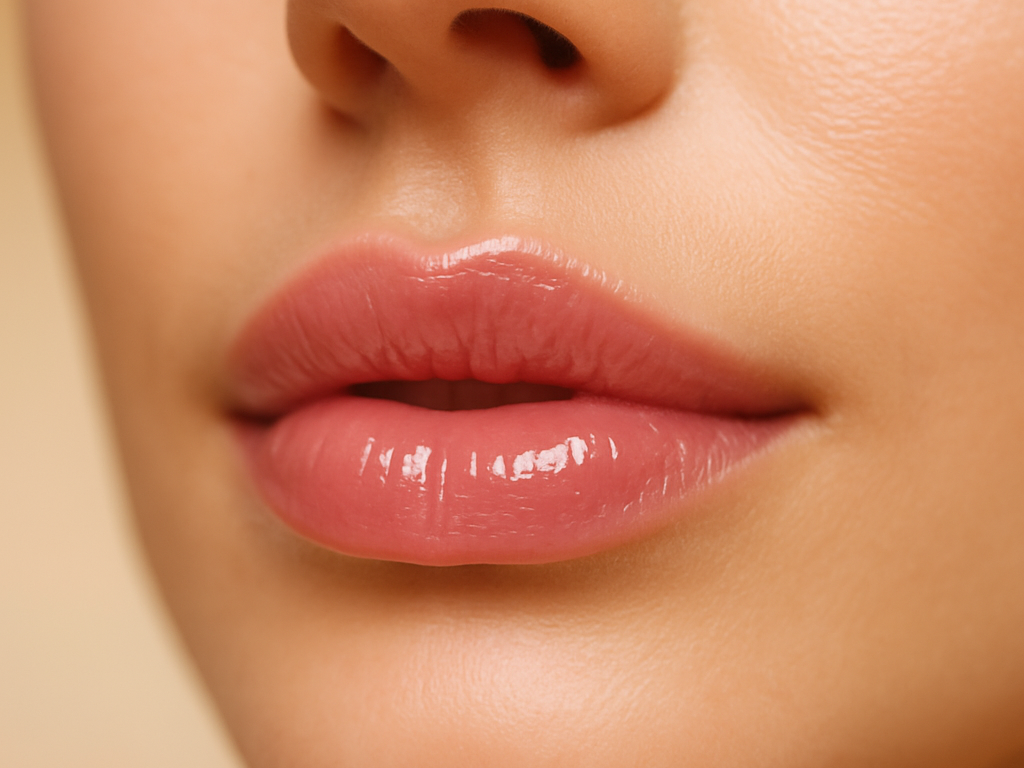
Everything you need to know about hyaluronic acid lip enhancement. A comprehensive educational guide covering the science, process, and safety considerations for informed decision-making.
Lip enhancement has become one of the most popular aesthetic treatments in recent years, but with so much information available, it can be difficult to separate fact from fiction. Whether you're curious about how lip fillers work, considering treatment for the first time, or simply want to understand more about this aesthetic procedure, having accurate, educational information is essential for making informed decisions.
At The Treatment Room Aesthetics, Ashley Watts believes that education should always come before treatment decisions. Understanding the science behind lip fillers, their applications, and what realistic outcomes look like helps ensure patients make choices that align with their goals and expectations.
What are lip fillers? The science explained
Lip fillers are injectable treatments that use hyaluronic acid-based gels that may enhance lip volume, shape, and definition. Hyaluronic acid is a naturally occurring substance found throughout the human body, particularly in skin, joints, and connective tissues. In aesthetic medicine, it's used because of its unique properties and safety profile.
"The hyaluronic acid used in lip fillers is specifically formulated for facial aesthetics," explains Ashley. "These medical-grade products undergo extensive testing and are designed to integrate with your existing lip tissue. However, individual results vary significantly, and outcomes cannot be guaranteed."
The hyaluronic acid in lip fillers is cross-linked, meaning it's been chemically modified to last longer in the tissue than naturally occurring hyaluronic acid. This modification allows the filler to provide results while gradually breaking down and being absorbed by the body over time.
How do lip fillers work in the tissue?
The injection process
During treatment, small amounts of hyaluronic acid gel are injected into specific areas of the lips using very fine needles or cannulas. The practitioner carefully places the filler with the aim of achieving desired shape, volume, and symmetry while maintaining natural lip movement and function. All treatments carry risks which must be discussed during consultation.
Integration with natural tissue
Once injected, the hyaluronic acid gel integrates with your existing lip tissue. The hyaluronic acid molecules attract and bind water, which contributes to volume enhancement. This process may also help improve lip hydration and can create smoother lip texture, though individual experiences vary.
Gradual breakdown and absorption
Over time, the body's natural enzymes gradually break down the hyaluronic acid, and it's absorbed harmlessly into the body. This is why lip filler results are temporary, typically lasting 6-12 months depending on various factors including the specific product used, individual metabolism, and lifestyle factors.
Understanding different types of lip enhancement approaches
Volume enhancement
This involves adding overall fullness to lips that may be naturally thin or have lost volume due to aging. The goal is to create proportionate fullness that suits the individual's facial structure, though results vary between individuals.
Shape refinement
Lip fillers may be used to improve lip shape by defining the vermillion border (the edge of the lips), addressing symmetry concerns, or enhancing the cupid's bow. This type of enhancement focuses on proportion and definition rather than dramatic volume increase.
Addressing asymmetry concerns
Many people have natural asymmetries in their lips. Careful filler placement may help create better balance and symmetry, though perfect symmetry cannot be guaranteed and individual anatomy varies significantly.
Hydration and texture considerations
The water-binding properties of hyaluronic acid may help improve lip texture and reduce the appearance of fine lines, though individual results vary and outcomes cannot be predicted.
Factors affecting lip filler outcomes
Individual anatomy
Everyone's lip anatomy is different, including lip thickness, shape, muscle structure, and how lips move during expression. These factors significantly influence both treatment planning and outcomes, and realistic expectations must be discussed during consultation.
Realistic expectations
Understanding what lip fillers may or may not achieve is crucial. While they may enhance volume, shape, and symmetry, they work within the constraints of your existing anatomy and facial proportions. Individual results vary significantly.
Lifestyle considerations
Factors such as smoking, sun exposure, and certain activities can affect how long lip fillers last and how well they heal. These considerations are important parts of the consultation process and may affect suitability for treatment.
The importance of proper consultation and assessment
Medical evaluation
Before any lip filler treatment, a thorough medical consultation is essential to assess suitability. This includes reviewing medical history, current medications, allergies, and any previous aesthetic treatments. Certain medical conditions or medications may affect suitability for treatment or increase risk of complications.
Anatomical assessment
A detailed evaluation of lip anatomy, facial proportions, and movement patterns helps determine the most appropriate treatment approach. This assessment considers not just the lips themselves, but how they relate to the rest of the facial features.
Goal discussion and expectation setting
Open discussion about desired outcomes, lifestyle factors, and realistic expectations ensures that patients understand what may be achieved and can make informed decisions about treatment. Individual results cannot be guaranteed.
Understanding the treatment process and associated risks
Consultation and planning
The process begins with comprehensive consultation where the practitioner assesses suitability, discusses goals, explains the procedure and associated risks, and develops a treatment plan tailored to individual needs and anatomy.
Pre-treatment preparation
Patients receive detailed pre-treatment instructions, which may include avoiding certain medications or supplements that can increase bruising risk, and guidance on what to expect during and after treatment.
The injection procedure
The actual treatment typically takes 30-45 minutes and involves careful injection of filler into predetermined areas. Most practitioners use techniques to minimise discomfort, such as topical numbing or using products containing lidocaine. All injection procedures carry inherent risks.
Immediate post-treatment care
After treatment, patients receive specific aftercare instructions to optimise healing and results. This includes guidance on managing any swelling or tenderness and when to contact the practitioner with concerns.
Recovery and results timeline
Immediate effects
Some enhancement may be visible immediately after treatment, though this initial result is often affected by swelling. Understanding that immediate post-treatment appearance isn't the final result helps set appropriate expectations.
First week healing
Most swelling and tenderness resolve within the first week, though individual healing varies. During this time, it's important to follow aftercare instructions and avoid certain activities that might affect healing.
Final results
The final result typically becomes apparent within 1-2 weeks once any swelling has completely resolved, though individual experiences vary. This is when the outcome of the treatment can be properly assessed.
Longevity and maintenance
Results typically last 6-12 months, depending on various factors. Some patients choose to have touch-up treatments to maintain their results, while others allow the filler to naturally break down completely before considering re-treatment.
Safety considerations and potential risks
Like all medical procedures, lip fillers carry risks. Common side effects include temporary swelling, bruising, tenderness, and asymmetry that usually resolve within days to weeks. More serious complications are rare but can include infection, allergic reactions, or vascular complications which can be serious.
Potential risks include but are not limited to:
Choosing a qualified, experienced practitioner who understands facial anatomy and uses appropriate products may help reduce risks but cannot eliminate them entirely. Proper consultation, sterile technique, and comprehensive aftercare support are essential elements of safe treatment.
Making informed decisions about lip enhancement
Understanding the science behind lip fillers, realistic outcomes, and the importance of proper medical care helps ensure that anyone considering this treatment can make informed decisions. The goal should always be enhancement that may look natural and suit individual facial features and lifestyle, though outcomes cannot be guaranteed.
"My approach is always to work with natural anatomy rather than create dramatic changes," explains Ashley. "However, individual results vary significantly, and I ensure all patients understand both potential benefits and risks during consultation."
Whether you're considering lip fillers or simply want to understand more about this popular treatment, remember that education and professional consultation should always precede any treatment decisions. Taking time to research, ask questions, and understand both benefits and risks helps ensure informed decision-making about your aesthetic journey.
Important disclaimer
This information is for educational purposes only and does not constitute medical advice. Individual results vary significantly and cannot be guaranteed. All aesthetic treatments carry risks, and thorough consultation with a qualified medical professional is essential to assess suitability and discuss potential risks and benefits. Treatment is not suitable for everyone.
About the Author
Ashley Watts is a qualified Aesthetic Nurse Independent Prescriber with over 15 years of healthcare experience. Based in Kent, Ashley provides professional medical aesthetic treatments in Maidstone, specializing in anti-wrinkle injections, dermal fillers, and advanced skin rejuvenation treatments.
Contact: 07468 077613 | info@treatmentroomaesthetics.co.uk